
Could Germany join GCAP? UK ‘seeks to progress’ the potential switch
Berlin has been exploring next-gen fighter options since the collapse of the FCAS program this summer.
Berlin has been exploring next-gen fighter options since the collapse of the FCAS program this summer.
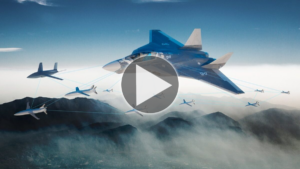
Breaking Defense's roundtable looks into a crystal ball to discuss the more distant future for the continent's air forces.


Army vehicles like Bradley need greater power at the sprocket for speed, braking, and manueverability.

With one sixth-gen fighter program in Europe dead, could the future for European airpower be drones?

FCAS? GCAP? Upgraded Eurofighter Typhoons? The Breaking Defense roundtable walks you through the options on the table.

Breaking Defense kicks off a new video series focused on how Europe is modernizing its manned and unmanned aircraft.
Lorenzo Mariani said the sixth-gen fighter could enter service two years ahead of its 2035 target date, but only if some requirements for the "initial version" were altered.

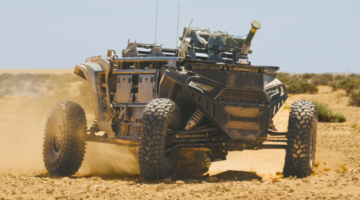
One commander, many robots: Fully autonomous ground vehicles are reshaping the battlefield.

Clive Higgins told Breaking Defense the firm would likely pitch its experience in sensors and EW, but also saw an opening for drones developed with a Turkish partner.
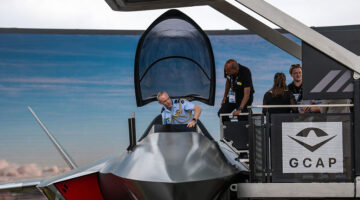
Official announcements were circumspect about any active role for Ottawa in the sixth-gen fighter program, but that could change.
From potential new entrants to a “bridge” aircraft in the works, here’s what you need to know about GCAP.
Plus we talk about why the Commerce Department sent representatives to the air show.

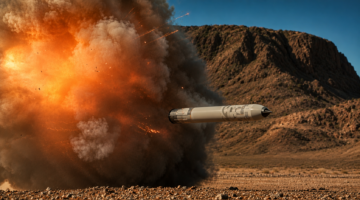
The goal of such weaponization is to tie warfighter needs to the RDT&E cycle.

Japanese defense chief Shinjiro Koizumi said Canada's new involvement in GCAP was "monumental."
We break down some of the top news from day one of the Farnborough International Airshow.

A selection of photos from the first day of the Farnborough International Airshow.

David McGuinty said Canada's planned F-35 purchase is still under review and will remain so “until we take the time to get it right for Canadians.”